










Aliko Dangote and Kenyan President William Ruto are expected to break ground on a refinery in Lamu, where Dangote plans to replicate his group’s 700,000-barrel-a-day refinery in Nigeria.
Kenya and Uganda are among the countries seeking to develop their crude oil industries. Dangote has offered regional governments a combined 30% stake in the Kenyan refinery, which is scheduled for completion in 2030. Engineers India has been awarded a $450-million engineering contract.
“Across East Africa—and, more broadly, across Africa’s 54 countries—countries import petroleum products,” Dangote told reporters in Nairobi. He said the refinery aims to make the region “self-sufficient”.
Construction raises local hopes
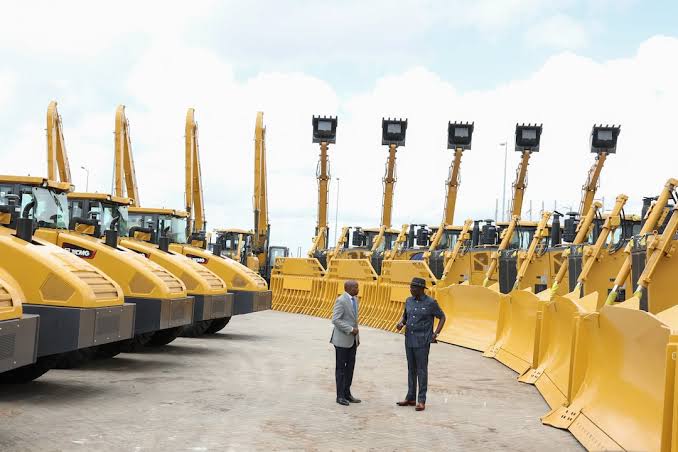
Dangote joined Ruto, Ethiopian Prime Minister Abiy Ahmed, Ugandan President Yoweri Museveni and Togo’s President Jean-Lucien Savi de Tové for a ceremony at Lamu port, where excavators and earth movers were lined up at the site.
“I am very hopeful when I see these machines lined up here because I know I have a chance to work and change my life from my menial jobs now to become a machine operator, which is what I’m trained to do,” said local resident Evans Hundo.
Located on Kenya’s northern coast, Lamu port received its first cargo ships in 2021. The port is central to Kenya’s plan to establish a transport corridor linking its northern region and neighbouring countries to the sea.
The refinery is expected to support that initiative and help meet regional demand for petroleum products. Ruto’s chief economic adviser, David Ndii, estimates annual demand at between 20-million and 30-million metric tonnes.
Meeting that demand would require refining capacity of more than one-million barrels a day, according to a financier involved in African refinery projects.
East Africa has been hit by rising fuel prices linked to the Iran war, prompting deadly protests in countries such as Kenya over higher pump prices.
Questions over the Nigerian model
Oil industry analysts caution that the Kenyan project is not guaranteed to replicate the Nigerian model, which has helped turn Nigeria from a major fuel importer into an emerging exporter.
Officials say the refinery could also support industries such as petrochemicals and bitumen production and create more than 50,000 jobs.
However, questions remain about local crude supplies and the region’s energy infrastructure. The project also faces opposition from environmental campaigners, who fear it could threaten Lamu Old Town, a World Heritage site, and its fragile marine life.
Kenya’s High Court has ordered the preservation of parts of the site pending a hearing in a case brought by local residents.
